
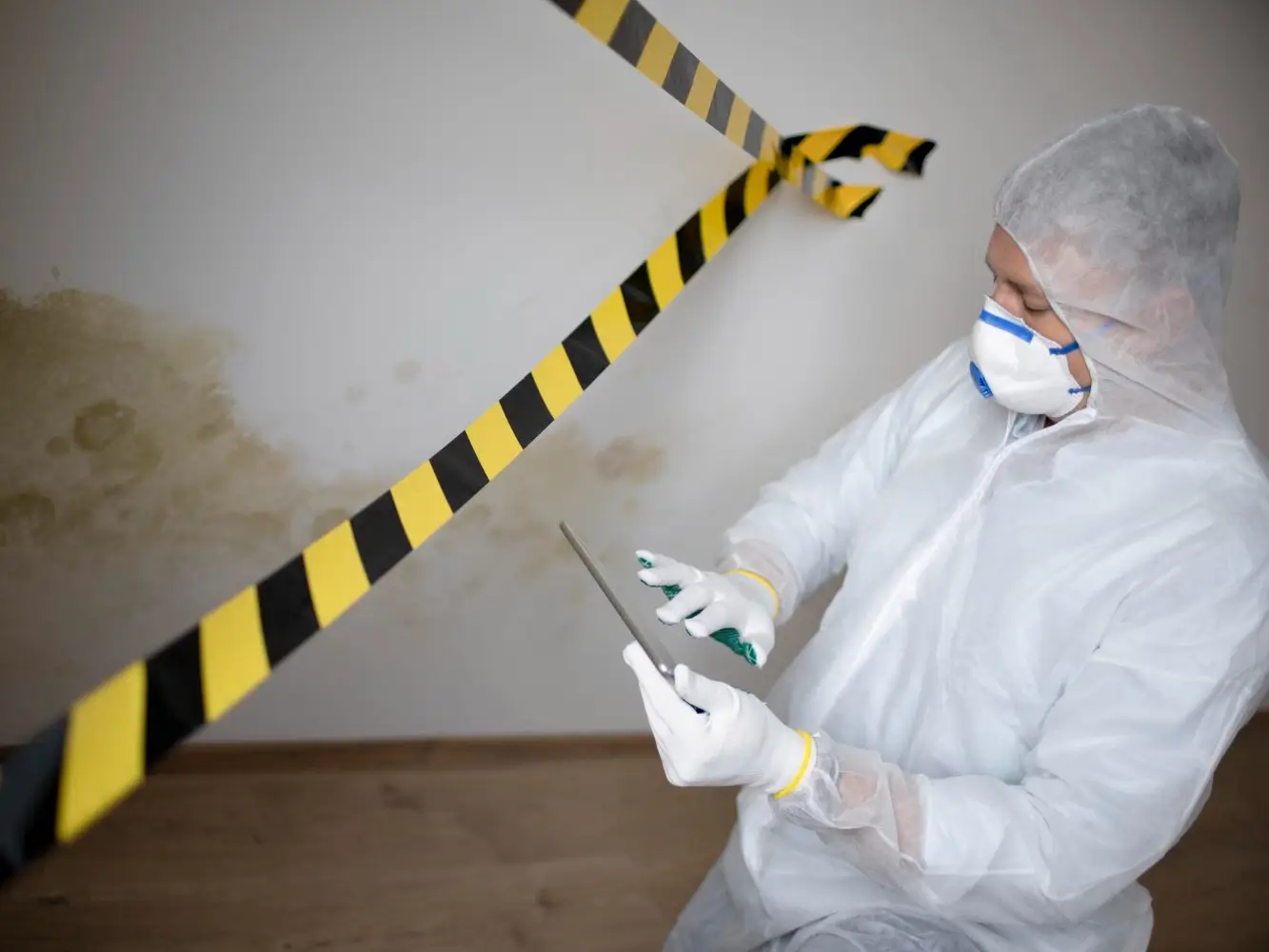
Mould contamination is a silent but serious threat that can affect any facility. Left unmanaged, it can compromise indoor air quality, damage property, and trigger health issues ranging from respiratory discomfort to allergic reactions.
Mould growth is primarily driven by moisture. Singapore’s consistently high humidity creates an ideal environment for mould to develop and spread. Since mould requires relative humidity above 60% to thrive, Singapore’s average relative humidity of 82% creates highly conducive conditions for fungal growth.
Hidden spaces in walls, ceilings, and HVAC systems provide ideal conditions for mould to grow unnoticed. Common sources of indoor mould include:
Once mould begins growing on building surfaces, spores can remain even after the moisture source is removed. Porous materials like drywall, insulation, carpeting, and ceiling tiles often need removal or treatment in line with industry-standard mould remediation guidelines.

Patients with compromised immune systems are highly susceptible to mould exposure. Even small leaks or HVAC condensation can escalate into serious risks for infection control.
Visible mould can directly impact public perception and trust. A recent case in Singapore highlighted diners spotting mould on chopsticks, sparking hygiene concerns.
Mould growth can occur due to condensation, leaks, or poor ventilation. Mould issues at NTU Singapore’s GAIA building illustrated that even well-designed facilities are not immune. This emphasizes the importance of regular maintenance, and routine inspections to prevent indoor mould.
Preventing mould is far more effective than remediating it. Even small water stains may indicate mould growth and require careful handling to prevent spore spread. Facility managers can adopt the following best practices:
Mould is natural in our environment, but uncontrolled indoor growth is a serious hazard. It affects health, safety, operational efficiency, and reputation. Organizations across all facility types must adopt a proactive approach, including monitoring, preventive maintenance, and expert remediation, to ensure safe and healthy indoor environments.
HYSIA works with commercial and industrial clients across Asia in mould prevention, indoor air quality management, and remediation. Read our latest case studies and learn more about our approach to managing mould in complex environments.
Our experts provide evidence-based solutions, protecting people, properties, and communities while helping organizations meet global hygiene standards.
If your facility is facing recurring mould concerns, contact HYSIA for a professional response that safeguards your infrastructure, operations, and indoor environment.
